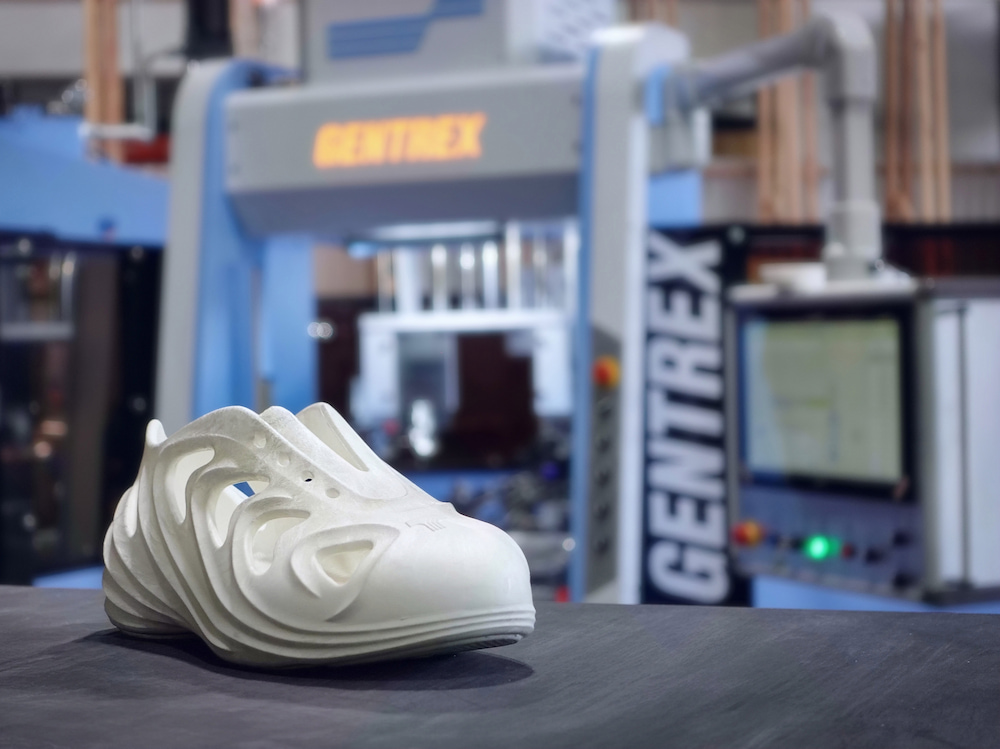

In the ever-evolving world of athletic footwear, one factor consistently dominates consumer demand: lightweight performance. Whether you’re a professional runner or a weekend jogger, the shoes on your feet can make or break your stride. In recent years, innovations in lightweight running shoe molding technology have revolutionized how performance footwear is designed, molded, and worn.
In this guide, we’ll explore why lightweight matters, what materials make it possible, and how molding technology has made running shoes more efficient than ever.
1.Why Is It Important to Make Running Shoes Lightweight?
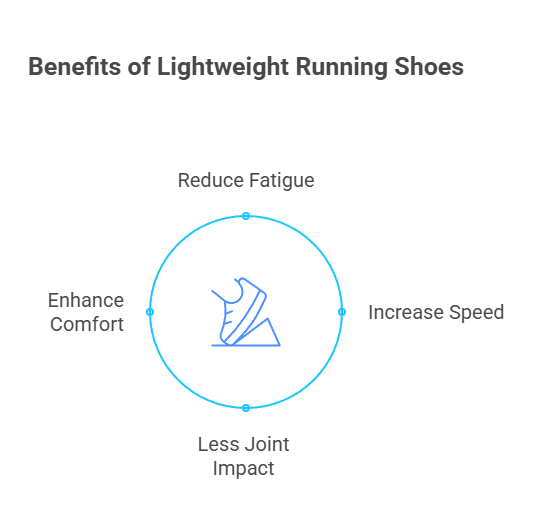
When it comes to running, every gram matters. Lightweight running shoes are more than just a trend—they directly impact performance, efficiency, and even injury prevention. Here’s why:
Reduced Fatigue
The heavier the shoe, the more effort your muscles expend over time. Shedding even 100 grams per shoe can significantly reduce fatigue during long-distance runs. A lighter shoe allows runners to maintain proper form and cadence for longer periods.
Increased Speed and Responsiveness
Lightweight shoes improve ground contact feel and responsiveness. When paired with the right cushioning, they create a springy, energy-returning platform that enhances running economy—especially critical in speed training and races.
Less Impact on Joints
Modern lightweight midsoles are designed to absorb shock more efficiently. They offer enough cushioning without the bulk, reducing strain on knees, ankles, and hips. This can lead to fewer overuse injuries, especially for high-mileage runners.
Comfort and Breathability
Today’s lightweight molding technology enables the creation of breathable designs with seamless upper integration. Less material means less restriction and better air circulation, which is ideal for intense workouts and warm-weather running.
2.The Foam That Makes Lightweight Running Shoes
At the heart of every great lightweight running shoe lies a high-performance foam. And while traditional EVA (ethylene-vinyl acetate) ruled the midsole game for years, advanced formulations have transformed the landscape.
EVA and Modified EVA Blends
EVA is still widely used due to its low weight-to-cushioning ratio. Many manufacturers enhance standard EVA with air infusion or chemical additives to reduce density without compromising durability.
- Compression molding machines are used to form EVA midsoles with consistent cell structure and shape.
- Modified EVAs often offer better rebound and a longer lifespan than basic EVA formulations.
PEBA (Polyether block amide) Foams
PEBA-based foams like Pebax® are incredibly light and offer exceptional energy return. These foams are popular in elite racing shoes and carbon-plated midsoles.
- They are thermoplastic elastomers, ideal for injection molding processes with precise control over geometry and density.
- Though costlier, PEBA foams are favored for their responsiveness and ultra-light profile.

Supercritical Foaming Technology
Using supercritical N₂ or CO₂ gas, this innovative process creates foams with microcellular structures. The result?
- Up to 30% lighter than conventional foams
- Enhanced energy return and durability
- Compatibility with high-precision molding systems for complex midsole designs
This supercritical foaming technology pairs perfectly with lightweight shoe molding machines, especially when targeting high-performance segments like marathon racing and track spikes.
3.Benefits of Lightweight Shoe Molding Technology
So how exactly does lightweight shoe molding technology enable all this performance magic? Let’s break down the advantages from a manufacturing and end-user standpoint:
Precision and Consistency
Advanced injection molding and compression molding machines deliver tight tolerances and uniform density throughout the midsole. This ensures consistent performance across every pair—essential for brand reliability and athlete trust.
Custom Geometry for Performance
Lightweight molding allows brands to design shoes with multi-zone cushioning, flex grooves, and embedded propulsion plates (e.g., carbon fiber). With the right tooling, manufacturers can fine-tune responsiveness and stability where runners need it most.
Material Optimization and Waste Reduction
Modern molding systems can operate with lower material input due to efficient shaping and curing processes. This reduces foam waste and supports sustainability initiatives, all while producing a lighter, more eco-friendly shoe.
Energy Efficiency in Production
Thermoplastic molding systems (like those used for PEBA) often require lower energy compared to traditional vulcanized rubber processing. This makes lightweight midsole production not only faster but also more cost-effective in the long term.
Enhanced Design Flexibility
With 3D mold technology and CNC-controlled tooling, footwear engineers can experiment with foam thickness, contouring, and hollow-core structures that wouldn’t be possible using traditional pressing or lamination methods.

Conclusion
The world of running shoes is sprinting ahead—fueled by innovation in materials, design, and most importantly, lightweight running shoe molding technology. As brands continue to push the limits of what’s possible, the combination of high-performance foams and precision molding equipment is becoming the industry standard.
For manufacturers, investing in cutting-edge molding technology means faster production cycles, lower material costs, and better product performance. For runners, it translates to lighter shoes, faster times, and happier joints.
Whether you’re in footwear design, production, or just a running enthusiast curious about the science in your shoes, one thing is clear: the future of performance lies in lightweight, molded excellence.