
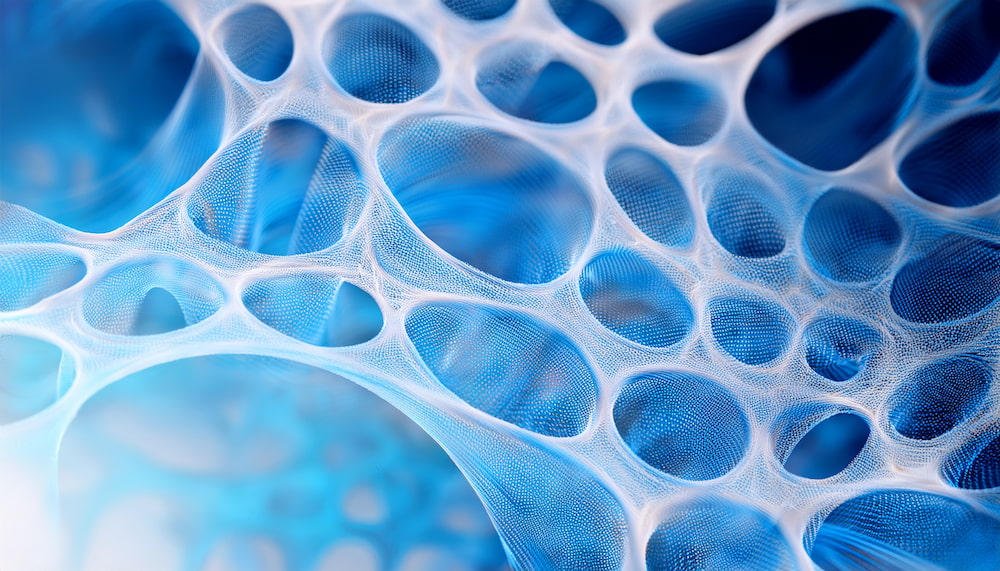
Physical foaming, also known as physical blowing, is a process used in the manufacturing of foam materials by introducing a gas into a polymer or other material to create a foamy structure. Unlike chemical foaming, which relies on chemical blowing agents to release gas through a chemical reaction, physical foaming uses external gases such as air, carbon dioxide, or nitrogen. This process is widely utilized in many industries; however, it has recently become a key process used in the footwear industry to produce lightweight, flexible, and durable materials for various parts of shoes, particularly the midsoles, outsoles, and insoles.
The physical foaming process begins with the introduction of a gas into the material, typically under high pressure. The material, often a polymer, is heated until it reaches a temperature where it becomes soft and moldable. The gas is injected into the polymer under pressure, creating tiny gas bubbles within the material. When the pressure is released, the gas expands, forming a foam structure. The foam is then cooled and solidified into a lightweight, yet resilient material.
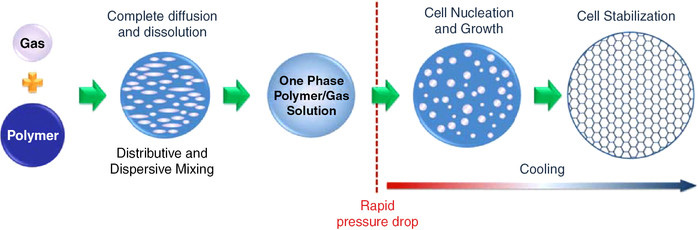
SCF Process
In the footwear industry, physical foaming is particularly beneficial for creating the midsoles of shoes. These components play a critical role in the comfort, support, and overall performance of footwear. Physical foaming allows manufacturers to create foam materials that are not only lightweight but also offer excellent cushioning and shock absorption. This is especially important for athletic shoes, where performance, comfort, and durability are key considerations. The foam structure created through physical foaming provides cushioning that reduces the impact on the feet during high-impact activities such as running, jumping, and walking.
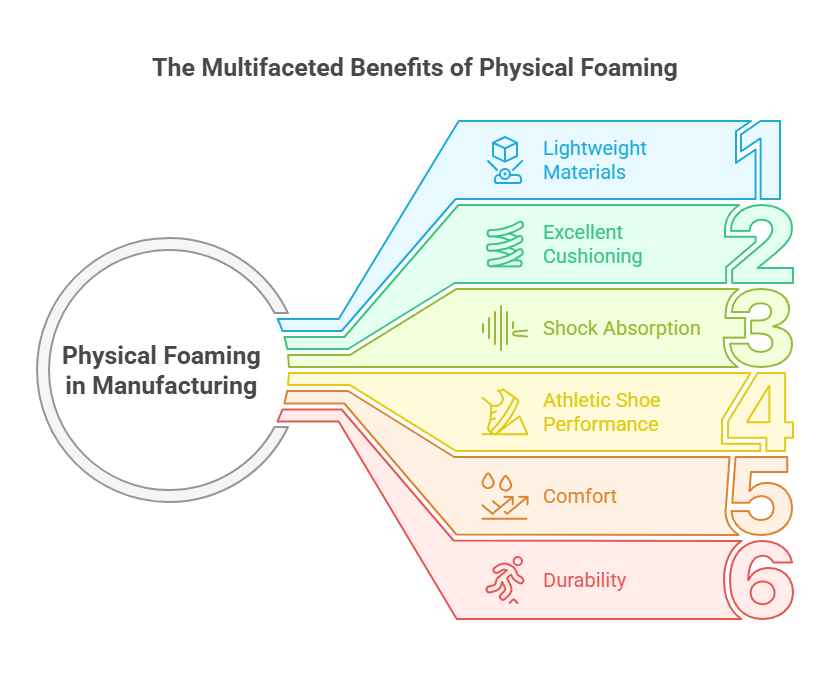
One of the key advantages of physical foaming is the ability to precisely control the properties of the foam, such as its density, elasticity, and durability. By adjusting the amount and type of gas used, manufacturers can tailor the foam to meet the specific requirements of different types of footwear. For example, running shoes benefit from foam that offers both lightweight cushioning and high elasticity, allowing for better energy return and comfort. On the other hand, hiking boots or work shoes may require foam that provides more support and durability, ensuring the shoe can withstand tough conditions while still offering comfort.
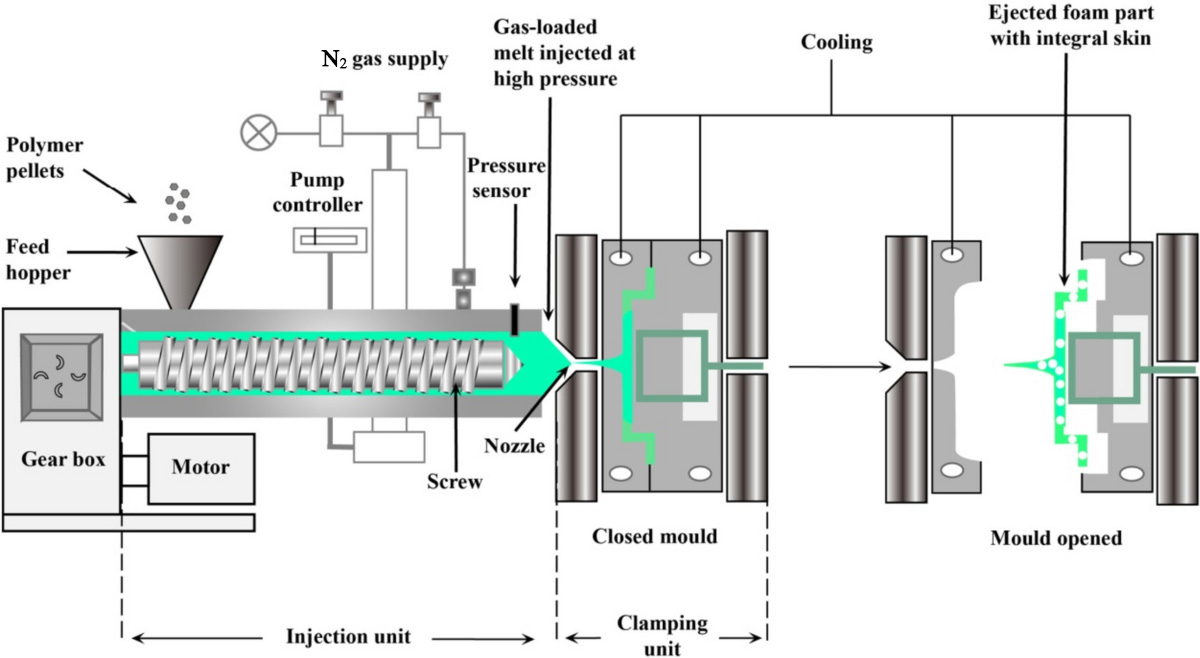
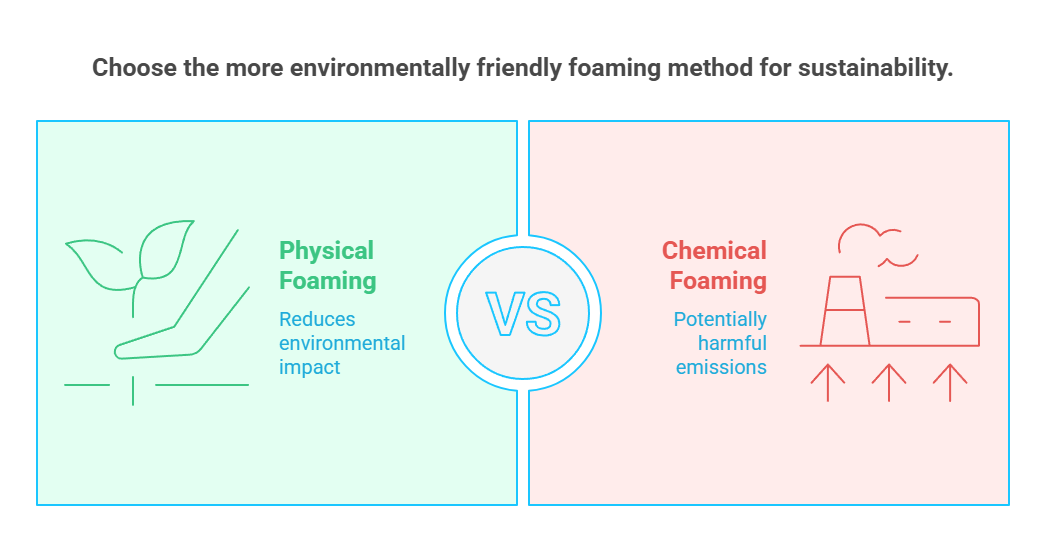
Another advantage of physical foaming is that it is a more environmentally friendly option compared to chemical foaming. Since chemical foaming forms gases that can be harmful to the environment, like ammonia gas, physical foaming reduces the need for chemical blowing agents, which can sometimes have adverse effects on air quality and the ozone layer. This aligns with the footwear industry’s growing focus on sustainability and reducing its environmental footprint.
In conclusion, physical foaming is an existing technology that is finding its home in the footwear industry and providing manufacturers with the ability to create lightweight, durable, and comfortable materials for various shoe components. By using gases to form a foam structure, physical foaming enhances the performance of shoes, particularly in areas such as cushioning, flexibility, and shock absorption. As the demand for high-performance and eco-friendly footwear increases, physical foaming will continue to displace chemical foaming in the development of innovative footwear materials.
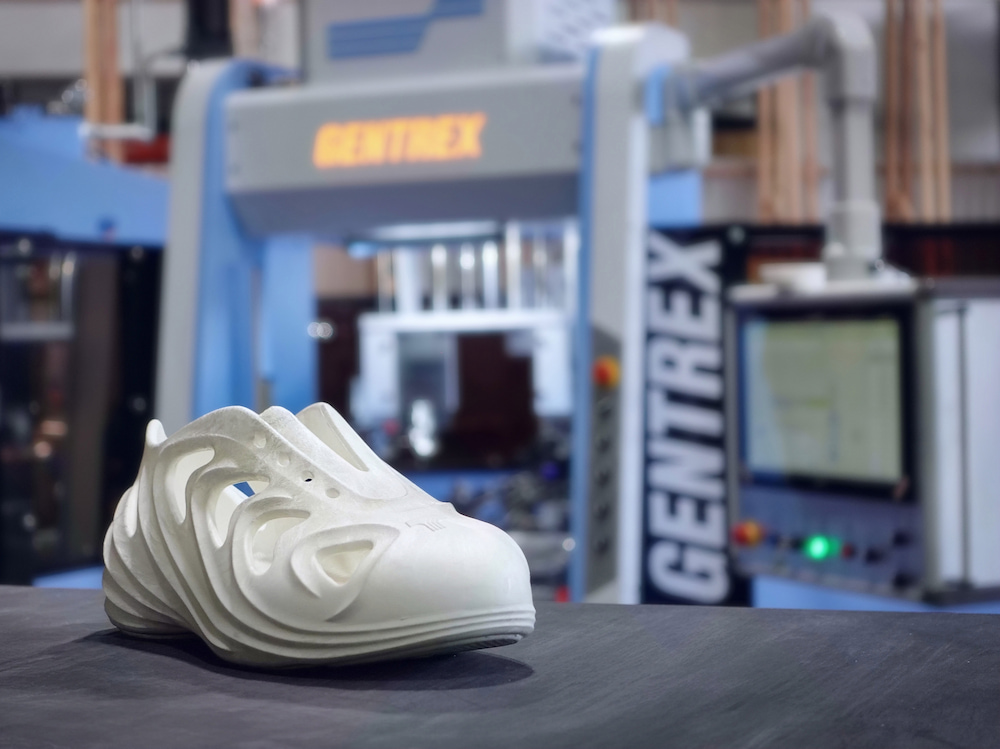
More information: Supercritical fluid injection -GENTREX